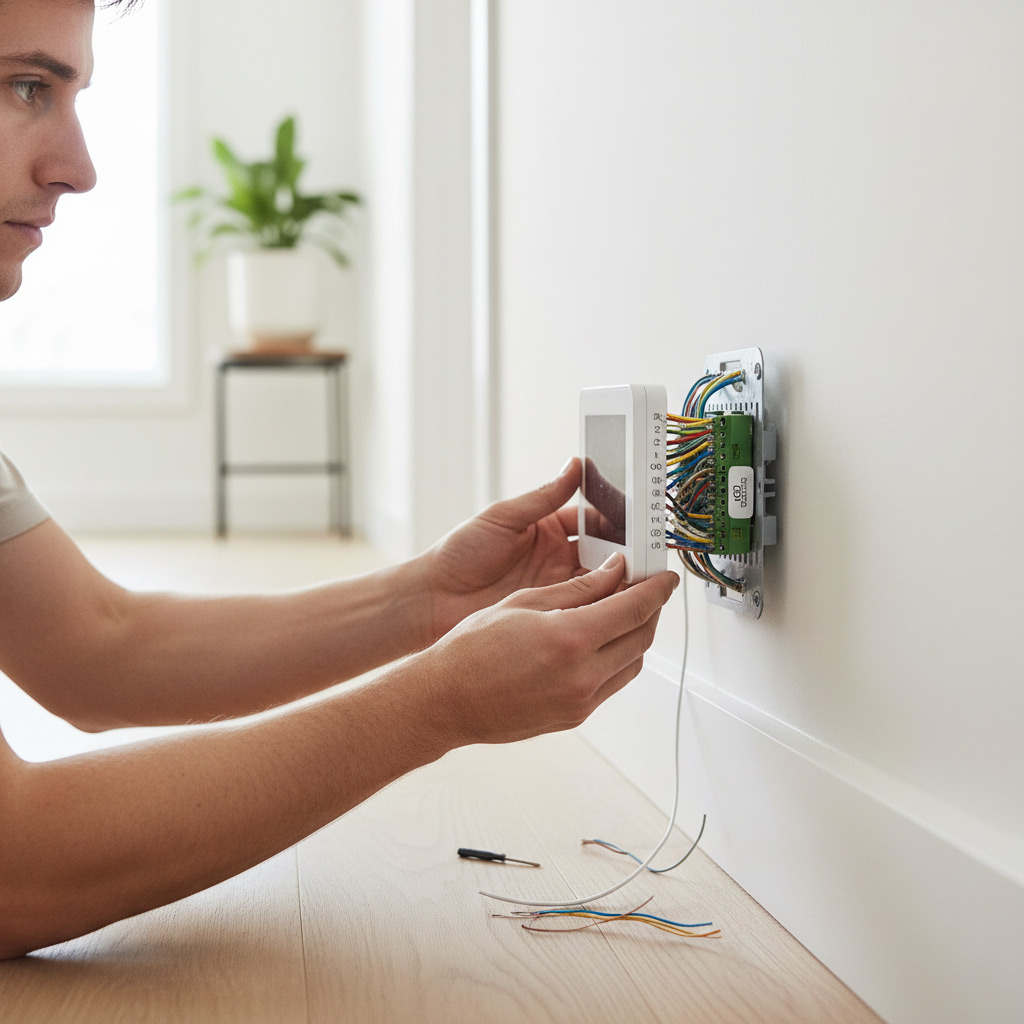
Your Austin home just went from cozy to cold. That sudden chill creeping through the house isn't just uncomfortable; it's a flashing red light signaling a potential cash drain that most homeowners completely miss.
When the furnace dies, your first reaction dictates whether you pay for a smart, lasting fix or fall victim to the single most expensive blunder in home repair. We're talking about the kind of mistake that turns a simple part replacement into thousands you didn’t need to spend.
Don't let panic push you into a decision that leaves your bank account colder than your living room.
Discover the critical steps you need to take – and the costly missteps to avoid – when your Austin furnace decides to call it quits.
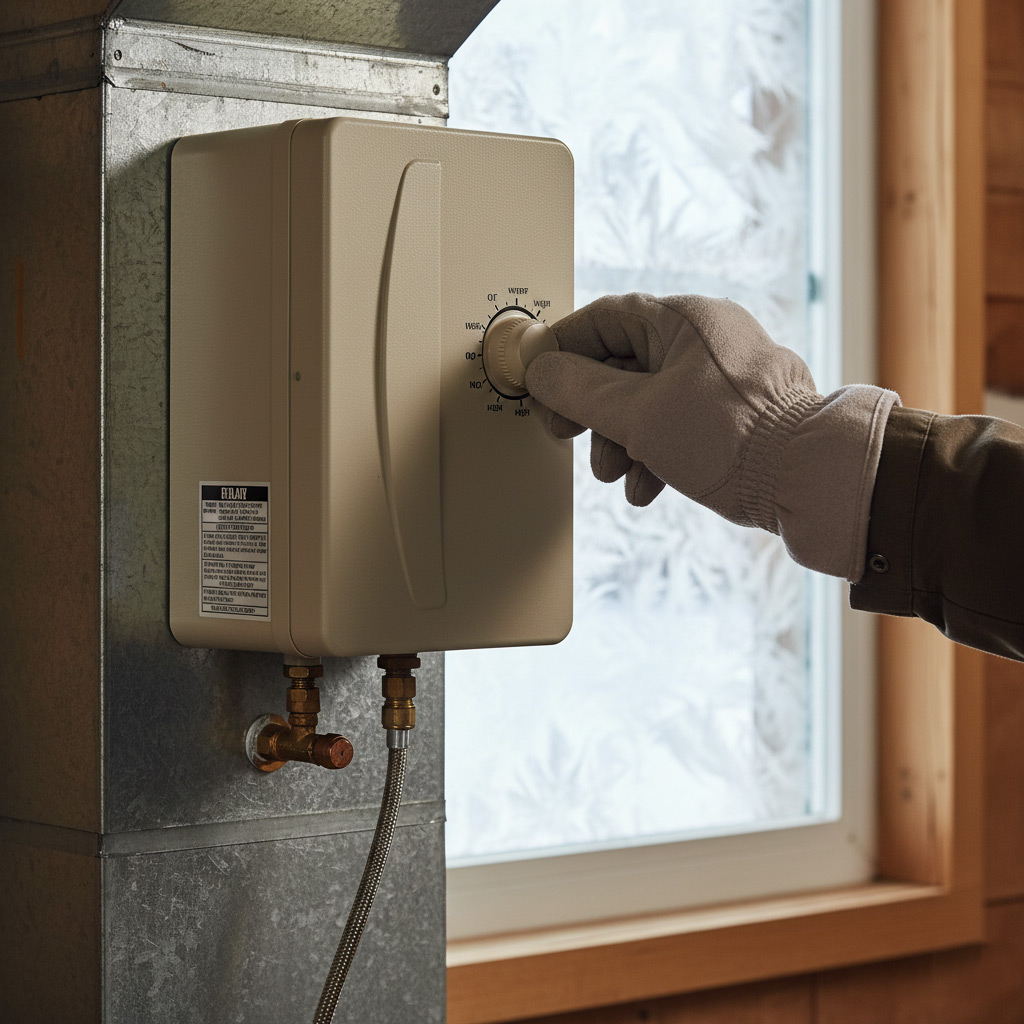
Defining the "Most Costly Blunder": The Rush to Replace
Your furnace just quit, and your mind races. The first thought for many Austin homeowners? "It's dead, I need a new one." This immediate leap to replacement, often driven by a sudden cold snap and genuine discomfort, is precisely the most expensive mistake you can make.
Before you picture a massive bill, understand this: a significant number of "dead" furnaces are not truly beyond repair. Often, the culprit is a relatively minor component. We’re talking about parts that cost hundreds to replace, not thousands for an entire system.
Why the Panic Costs You
- When the heat goes out, comfort becomes urgent. This urgency often overrides critical thinking about repair viability.
- Many homeowners simply don't know what to look for, so a full system failure seems like the only option.
- Some companies might push for replacement, even when a repair is possible and more economical for you.
This rush means you bypass a crucial, detailed diagnostic. And skipping that step can easily cost you an extra five to ten thousand dollars on a furnace that still had years of life left. Don't fall into that trap.
Your Furnace Just Quit: Immediate Troubleshooting Steps for Austin Homeowners
Panic is expensive. When your Austin furnace goes silent, your first move shouldn't be to hit the panic button or frantically search for a new system.
Instead, take a deep breath and perform a few quick, often overlooked checks that could save you a service call fee.
You might be surprised how many "broken" furnaces simply need a flick of a switch or a simple adjustment.
Before you even think about calling for help, empower yourself with these basic diagnostic steps. They’re simple, quick, and can often bring your furnace back to life.
The Power Play & Thermostat Tango
-
Check the Circuit Breaker: Head to your electrical panel. Is the breaker labeled for your furnace or HVAC system tripped?
A sudden electrical surge can easily flip it, cutting power entirely. Reset it once firmly, and see if that does the trick.
-
Inspect Your Thermostat Settings: Is it set to "Heat"? Is the temperature setting above the current room temperature?
Sometimes, a simple bump in temperature or switching from "Cool" to "Heat" is all it takes to kick things back on.
Also, ensure the batteries are fresh if it's a battery-powered model; dead batteries often mean a dead thermostat.
Airflow and Fuel Flow: The Essentials
-
Examine the Air Filter: A severely clogged filter restricts airflow, forcing your furnace to work harder and potentially shut down as a safety measure.
Pull it out. If it looks like a matted carpet of dust and debris, replacing it immediately could solve your problem and improve efficiency.
-
Verify Gas Supply (for gas furnaces): Locate the gas valve near the furnace. Is it in the "On" position, aligned with the pipe?
If you've had other gas appliances out or smelled gas and had it turned off, this might be the unexpected culprit.
-
Pilot Light Check (Older Models): If you have an older furnace, locate the pilot light assembly.
If it’s out, carefully follow the instructions printed on your furnace's panel to re-light it, but proceed with caution.
These initial checks take mere minutes but could save you both valuable time and a costly service call for a minor issue.
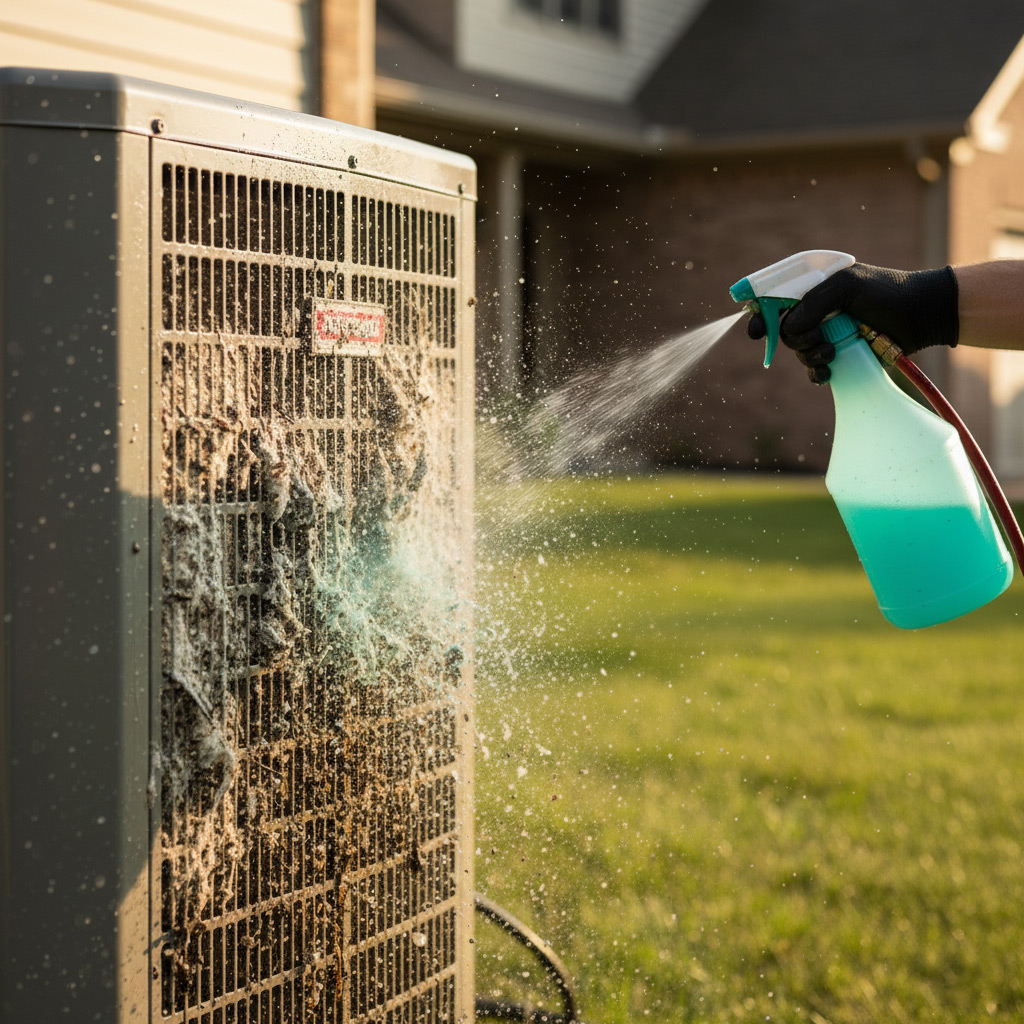
Beyond the Symptom: Why a Thorough Professional Diagnosis is Critical
Flipping a tripped breaker or resetting a thermostat might seem like a win. But imagine your furnace dying again next week, or worse, completely failing on the coldest night. Your initial fix was likely a temporary band-aid, not a cure. A professional diagnosis goes deep – uncovering the root cause, not just the surface symptom. We're talking about finding out *why* that breaker tripped in the first place, or what underlying issue pushed your system past its limit.
A proper HVAC expert performs a systematic audit of your entire heating unit. They don't just guess; they use specialized tools to check:
- Electrical connections for shorts or wear.
- Gas pressure and lines for leaks or blockages.
- The integrity of the heat exchanger.
- The function of all safety sensors.
Repair or Replace? Making the Smart Financial Decision for Your Austin Furnace
The Age Factor: When Your Furnace is Trying to Tell You Something
Once you've got that solid, expert diagnosis, the big question looms: *Do we fix it, or do we replace it?* This isn't just about the immediate bill; it's about protecting your investment for years to come.
A good rule of thumb in Austin is to consider your furnace's age. If your unit is pushing 15 years or more, and the repair cost is significant – say, more than 30-50% of a new system's price – then replacement often starts making a lot more sense.
Think about it: an older furnace is likely to hit you with another big repair bill soon enough. You're just kicking the can down the road, wasting money that could contribute to a new, more reliable unit.
Beyond the Repair Bill: Long-Term Savings and Comfort
It's not just the sticker price of the repair versus a new unit. Factor in the long game.
- Energy Savings: A new furnace, especially a high-efficiency model, can drastically cut your monthly utility bills. That old clunker might be running constantly, simply guzzling natural gas or electricity.
- Reliability: New systems come with robust warranties and the peace of mind that comes from knowing you won't be scrambling for emergency repairs every other winter.
- Advanced Comfort: Modern furnaces offer superior temperature control and much quieter operation, making your Austin home genuinely more comfortable day in and day out.
Sometimes, spending a bit more upfront on a replacement can actually save you significantly over the next 5-10 years in lower energy costs and fewer unexpected repair calls. Your expert Austin HVAC technician can lay out these scenarios clearly for you, showing you the true cost of ownership for both options. Don't just look at today's price tag; look at the total cost of warmth and peace of mind.

Choosing Your HVAC Lifeline: How to Select a Trusted Austin Furnace Repair Expert
When your furnace goes kaput, you need a quick fix, but a rushed decision can cost you big. Don't just grab the first name off Google. Selecting the right HVAC expert in Austin is about more than just availability; it’s about choosing a partner who values your comfort and your wallet.
Look for companies with a solid local track record. They should have a proven history right here in Austin, not just a flashy website. Check their online reviews – real customer experiences speak volumes.
What to Demand from Your HVAC Pro:
- Clear Communication: They should explain the problem in plain English, not technical jargon. You need to understand what's wrong.
- Transparent Pricing: Insist on a written, itemized estimate BEFORE any work begins. No hidden fees or "surprise" charges.
- Proper Licensing and Insurance: This isn't optional; it's non-negotiable. A licensed and insured company protects both you and their technicians.
- Expertise in Furnace Brands: They should be comfortable working on various furnace makes and models, not just pushing one specific brand.
Beware of anyone who tries to pressure you into an immediate replacement without a thorough diagnostic. A reputable company will always prioritize repair when it's the more sensible and cost-effective solution. They won't strong-arm you into buying something you don't truly need.
Case Study: How One Austin Family Avoided Thousands on a "Dead" Furnace
Picture this: It was a particularly chilly December evening in Austin when the Chen family’s furnace sputtered, coughed, and went completely silent. Mr. Chen, a seasoned homeowner, immediately thought the worst.
Their unit was over 15 years old, and the common wisdom suggested it was simply "time for a new one." They braced themselves for a multi-thousand-dollar replacement bill, dreading the impending financial hit.
Instead of rushing to get replacement quotes, the Chens remembered hearing about the importance of a professional diagnosis. They called us, explaining their completely "dead" furnace and their fear of the expense.
Our technician arrived, performed a detailed inspection, and quickly identified the culprit: a failing flame sensor. This tiny component, crucial for safety and operation, had simply stopped doing its job.
The repair took less than an hour and cost a fraction – literally hundreds, not thousands – of what a new furnace would have. The Chens were back to cozy warmth that same evening, their wallet barely touched.
This isn't an isolated incident. It’s a perfect example of how a proper diagnosis saved this Austin family from falling victim to the most costly blunder: replacing a perfectly good system for a minor, fixable issue.
Final Words: Keeping Your Austin Home Warm and Your Wallet Safe.
Look, when your furnace quits, it’s easy to panic. The cold sets in, and the first thought is often, "How fast can I get a new one?" But remember this: speed doesn't equal smarts. Taking a breath and insisting on a proper diagnosis can save you from a monstrous bill you don't need.
Your Austin home's comfort and your bank account deserve better than a snap decision. Think long-term. A qualified Austin HVAC technician won't just throw parts at the problem; they'll pinpoint the root cause, giving you a clear path forward. This approach protects you from unnecessary spending and ensures genuine furnace repair.
So, stay informed, ask tough questions, and demand a complete picture before signing on any dotted line. Your goal isn't just to get warm again, it’s to do it intelligently, keeping your hard-earned money right where it belongs: in your pocket.
People Also Ask
What is the "most costly blunder" Austin homeowners make when their furnace fails?
The most costly blunder is often rushing to replace a furnace without a thorough professional diagnosis. Many issues are repairable, and a premature replacement can lead to unnecessary expenses of thousands of dollars.How can I determine if my Austin furnace needs repair or replacement?
A key factor is the age of your furnace; units over 15 years old might be candidates for replacement. However, a professional HVAC technician should always perform a comprehensive diagnosis to assess the repair cost versus the long-term benefits of a new, more efficient system.What immediate steps should I take if my furnace stops working in Austin?
First, check your thermostat settings to ensure it's on 'heat' and the temperature is set above the current room temperature. Then, inspect your circuit breaker for a tripped switch and replace dirty air filters, as these simple fixes often resolve common furnace issues.How much can I expect to save by repairing instead of replacing my furnace in Austin?
The savings can be substantial, potentially thousands of dollars, depending on the nature of the repair versus the cost of a new furnace installation. A professional diagnostic will clearly outline the repair costs and expected lifespan increase, allowing for an informed comparison.How do I choose a trustworthy furnace repair company in Austin, TX?
Look for companies with strong local reviews, transparent pricing, and NATE-certified technicians. A reputable company will provide a detailed diagnosis and clear explanations of your options before any work begins, ensuring you make the best decision for your home.
Austin HVAC provides expert climate control solutions, drawing on years of experience serving homes and businesses in Austin, TX. Their dedicated team possesses comprehensive knowledge of local HVAC needs. They are committed to ensuring efficient and dependable comfort for the Austin community.
Need HVAC?
We provide efficient, results-driven services across Austin, TX and nearby areas, ensuring quick execution and valuable outcomes. (78701, 78704, 78757, 78735, 78613)
Request Your Estimate